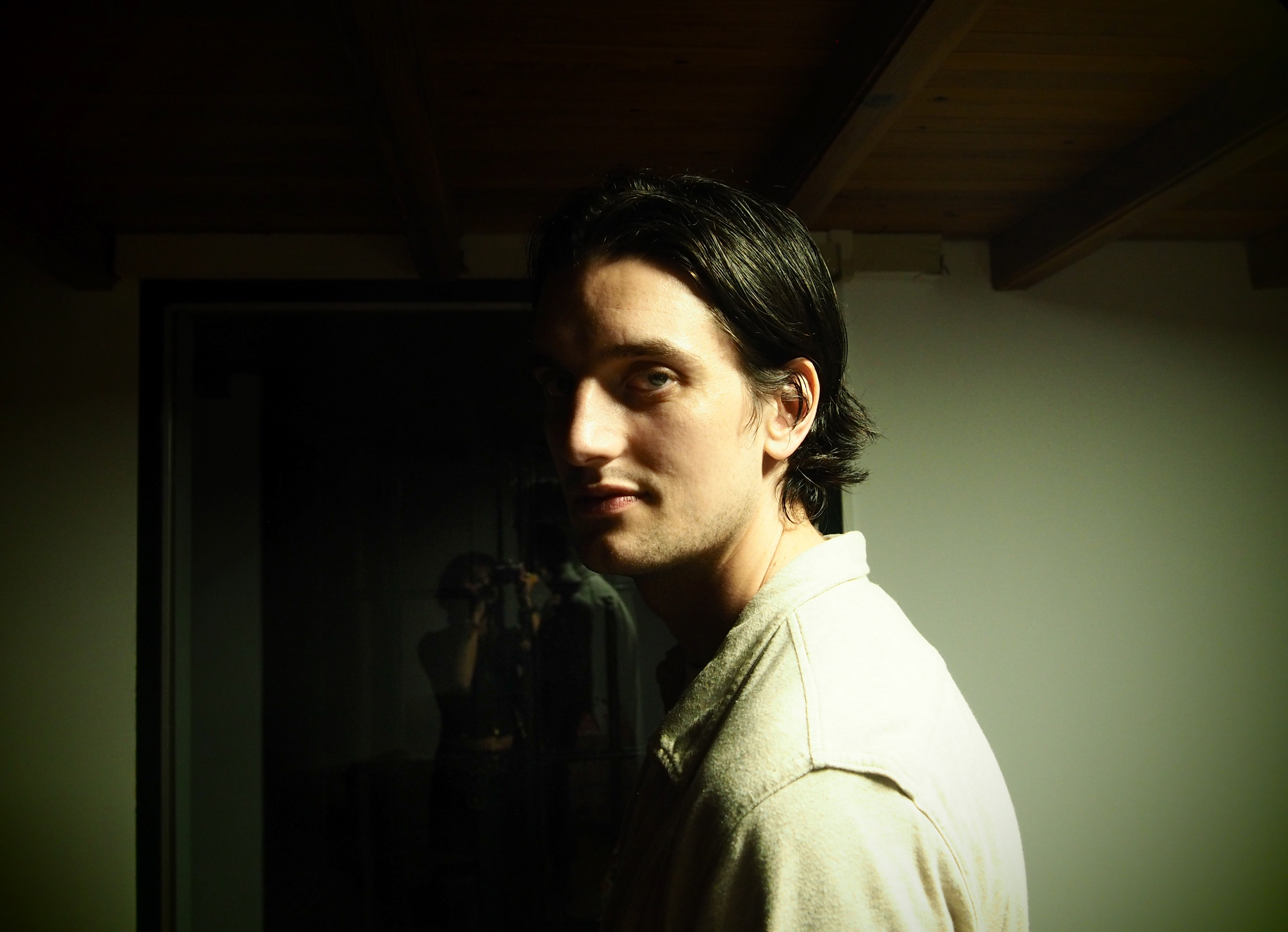
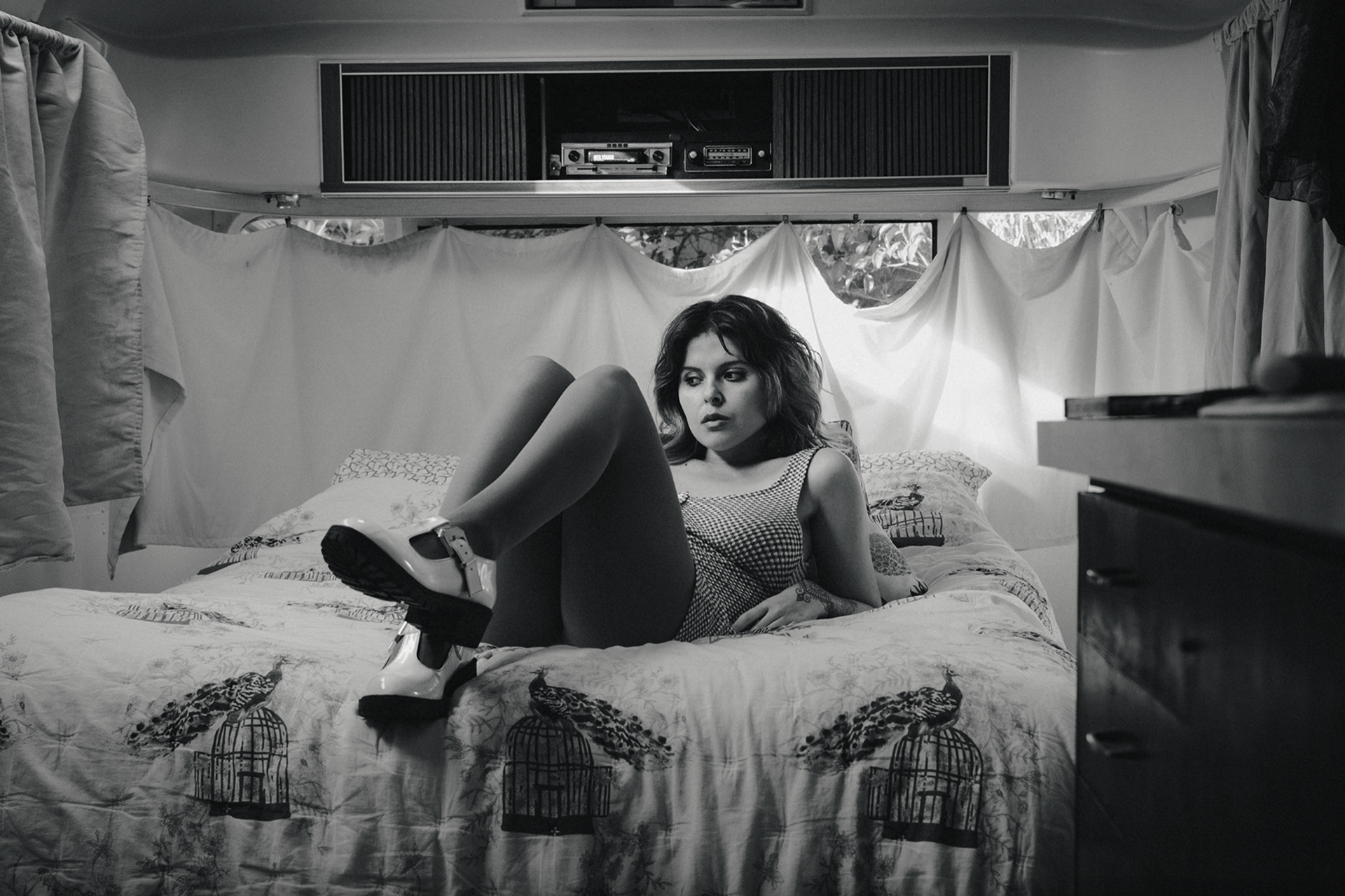
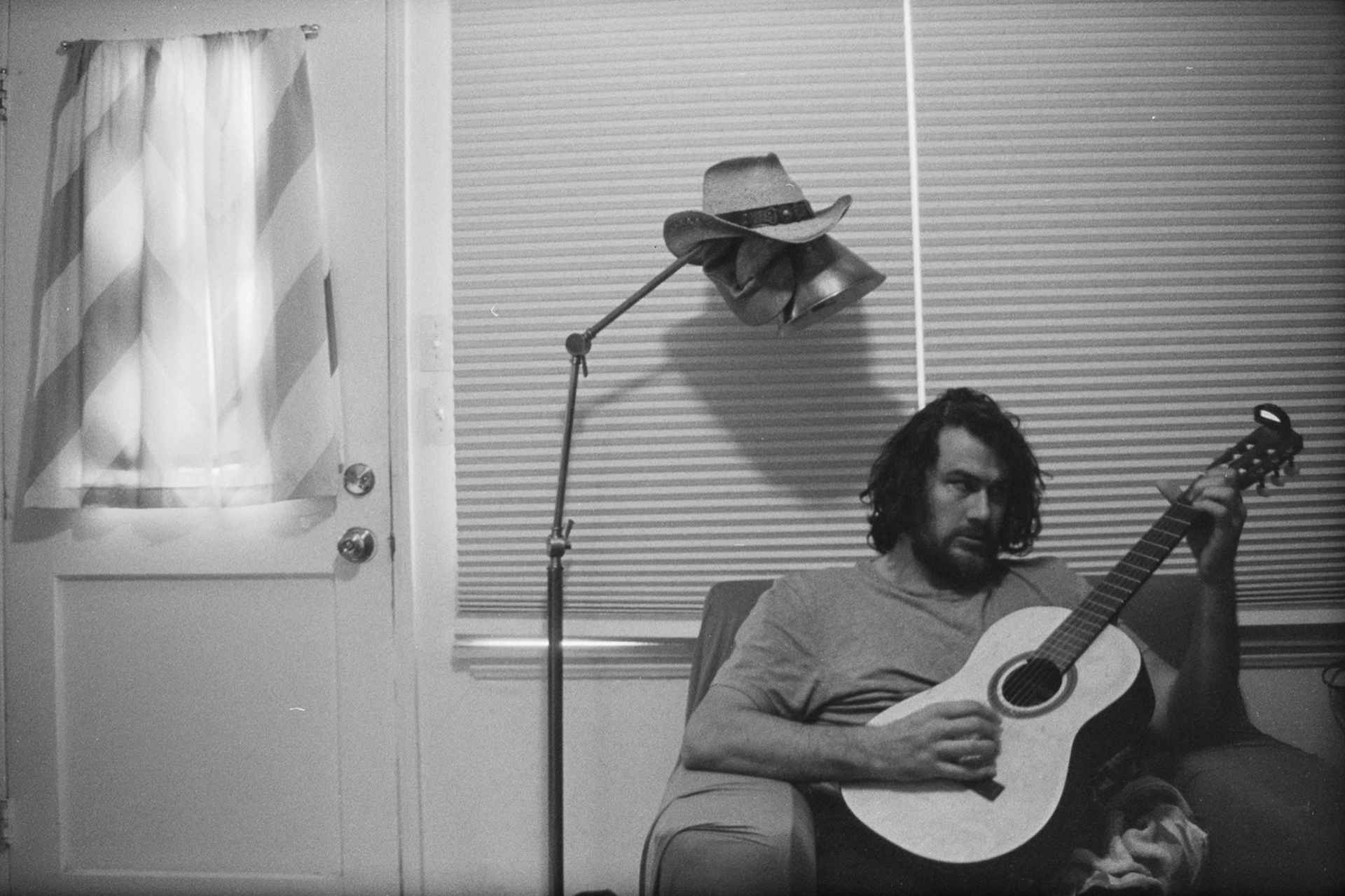
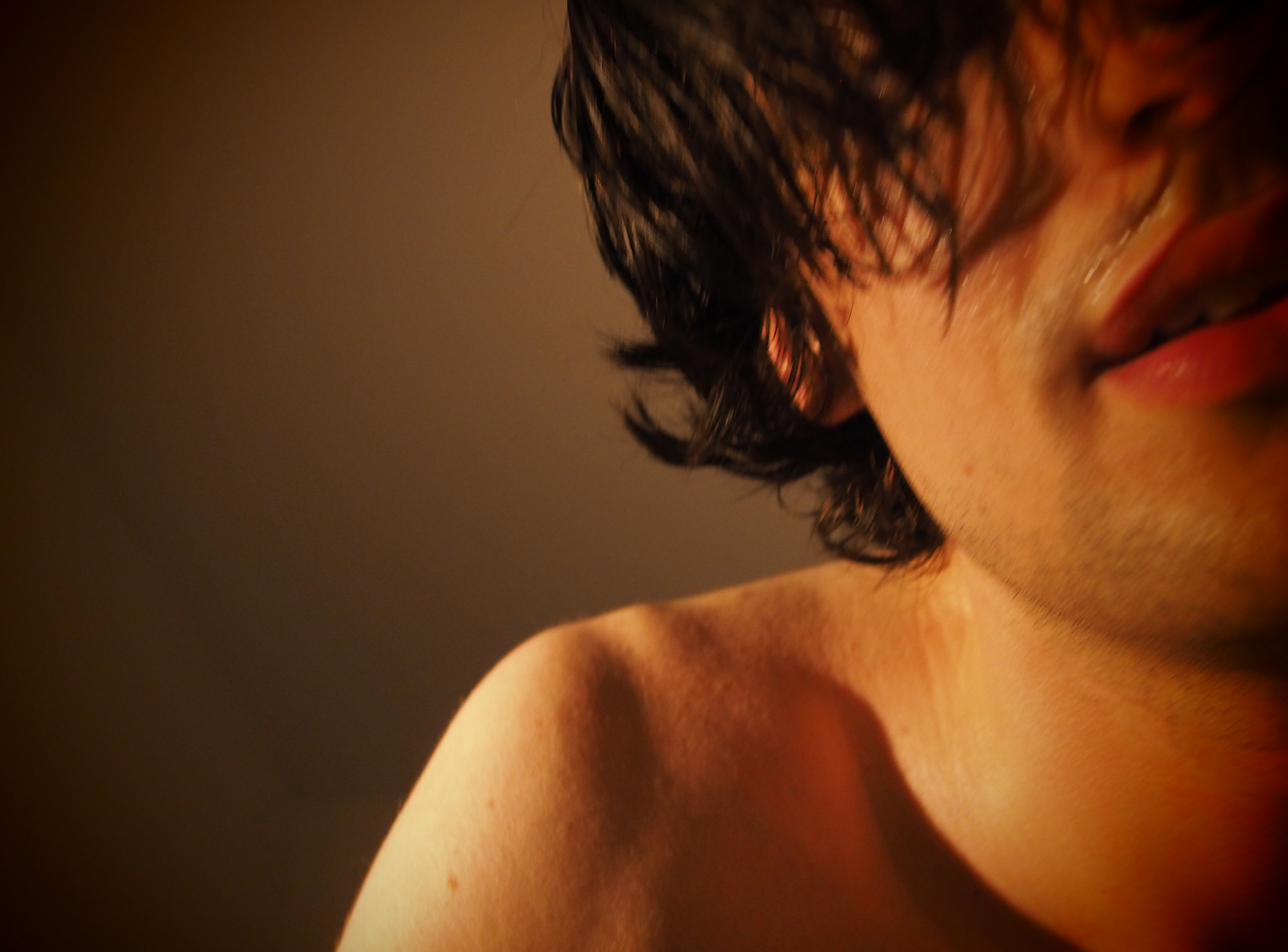
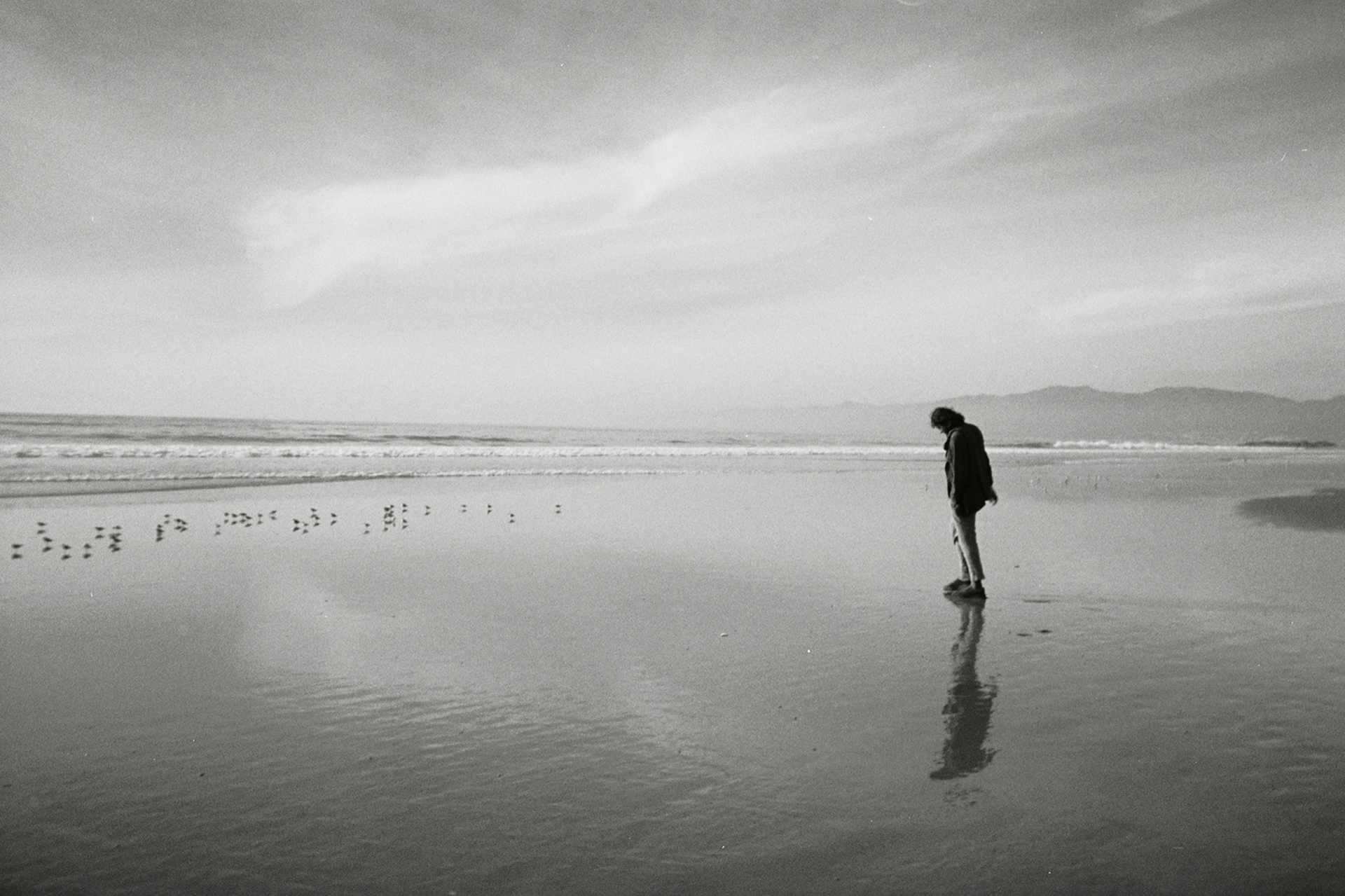
No longer home, 2024
Large-scale handmade accordion photography book and installation
637cm x 30cm
Large-scale handmade accordion photography book and installation
637cm x 30cm
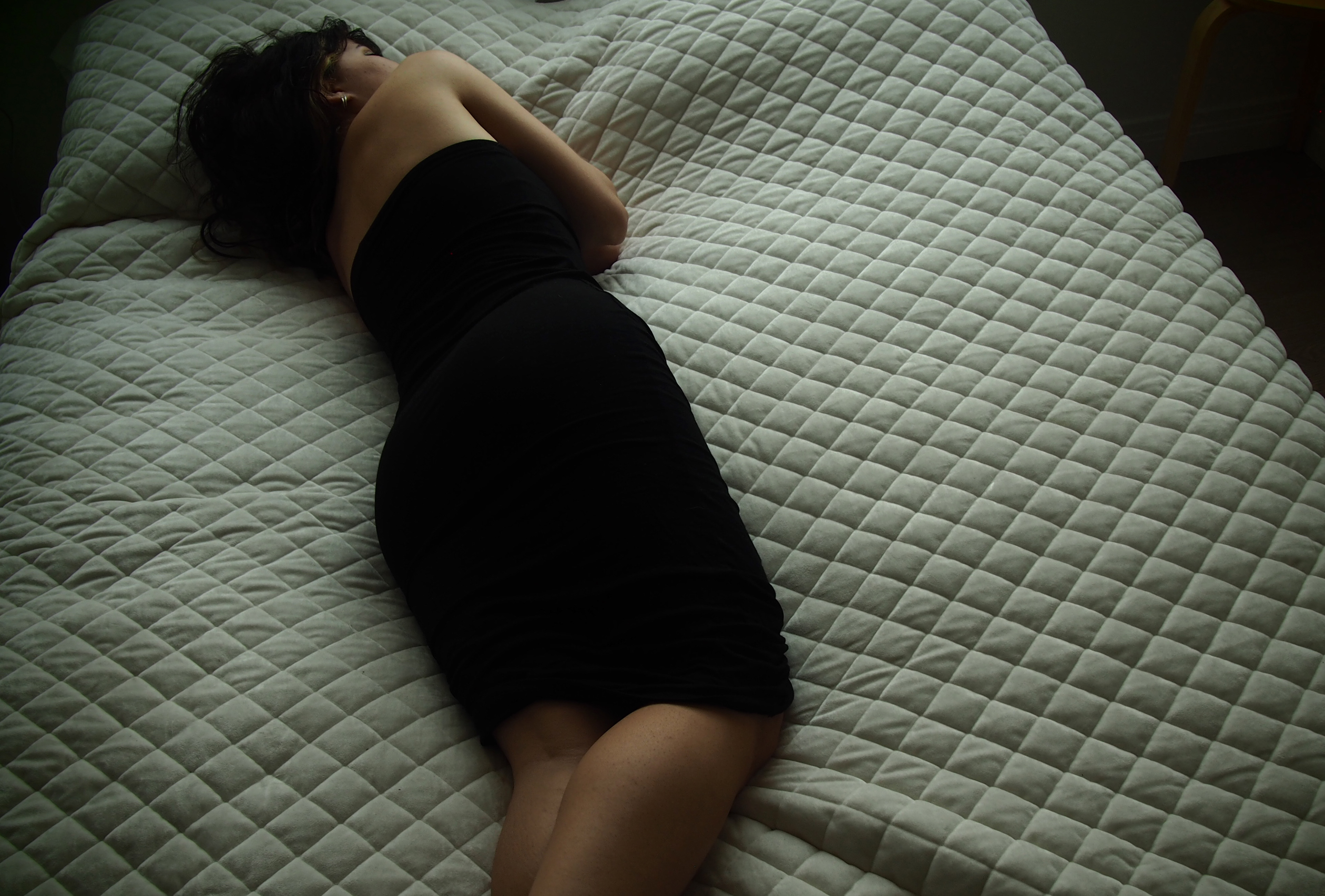
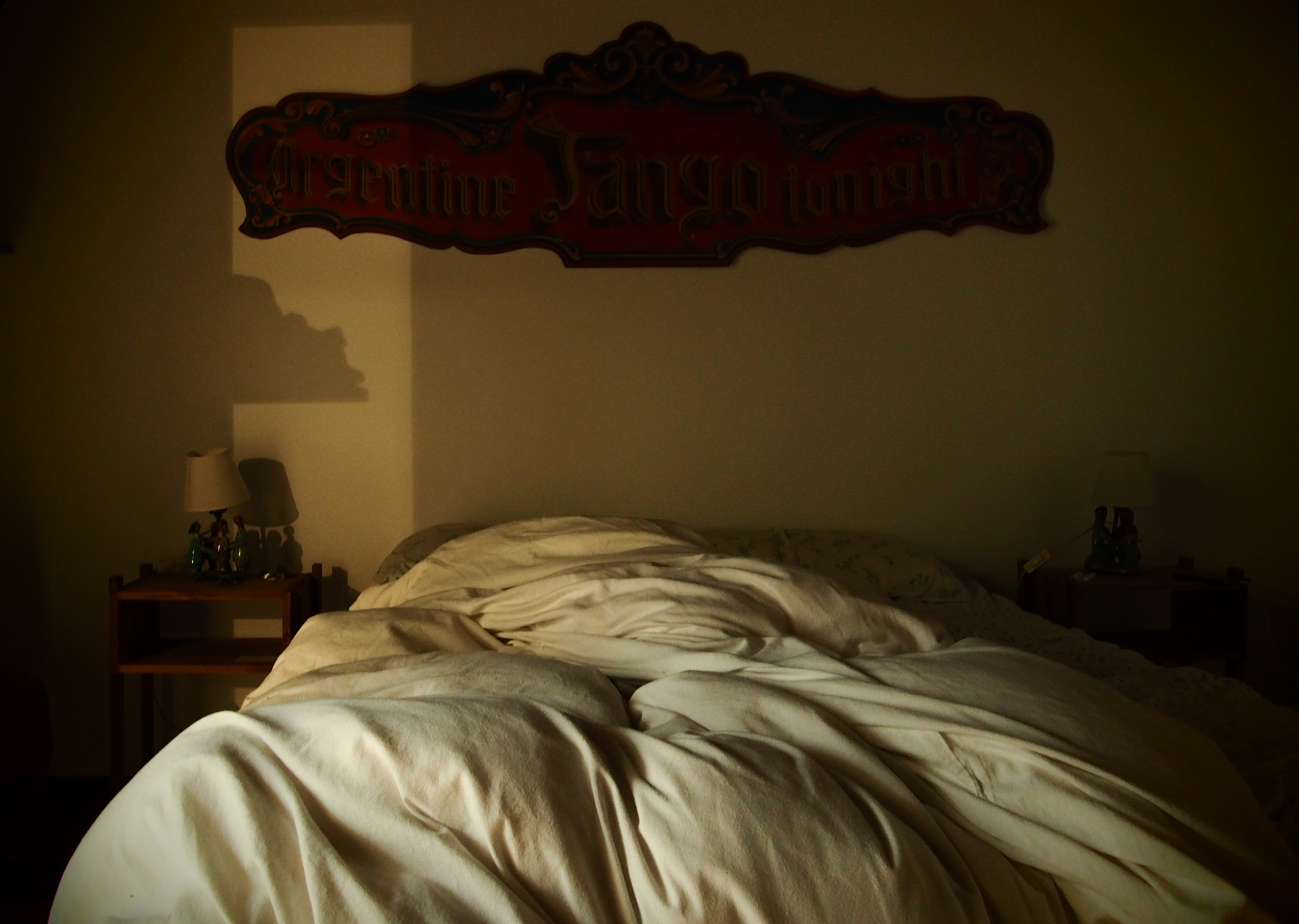
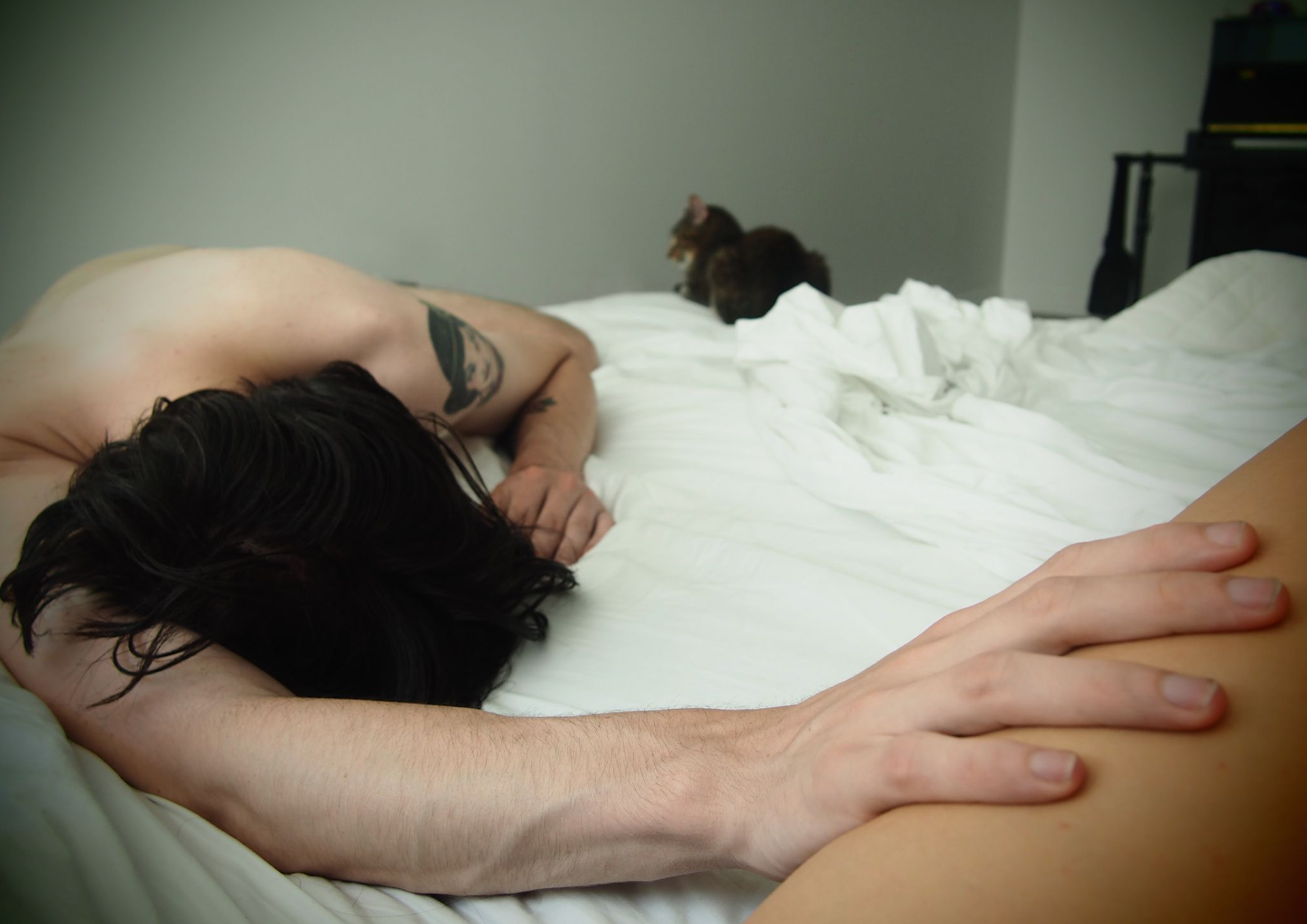
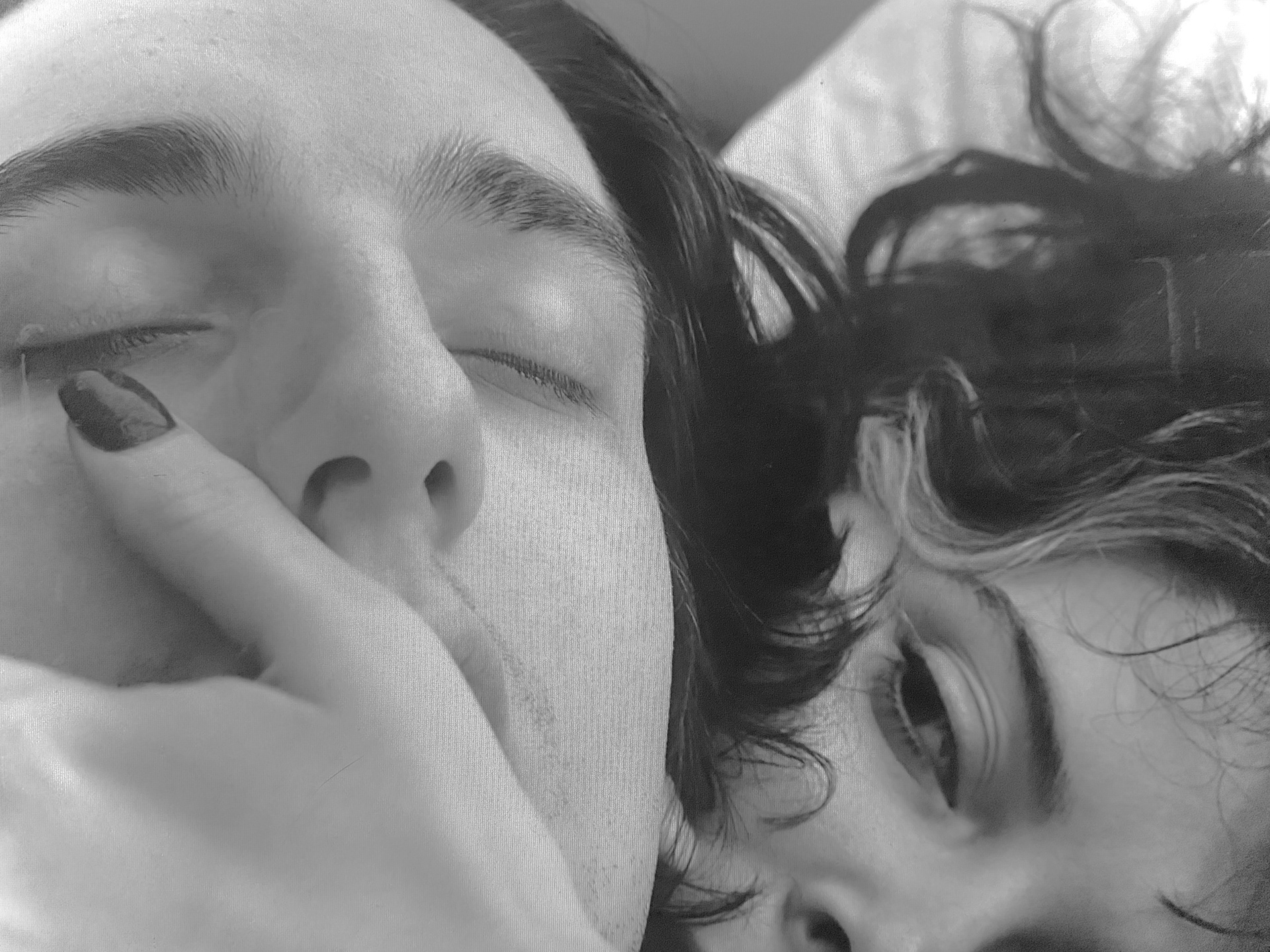
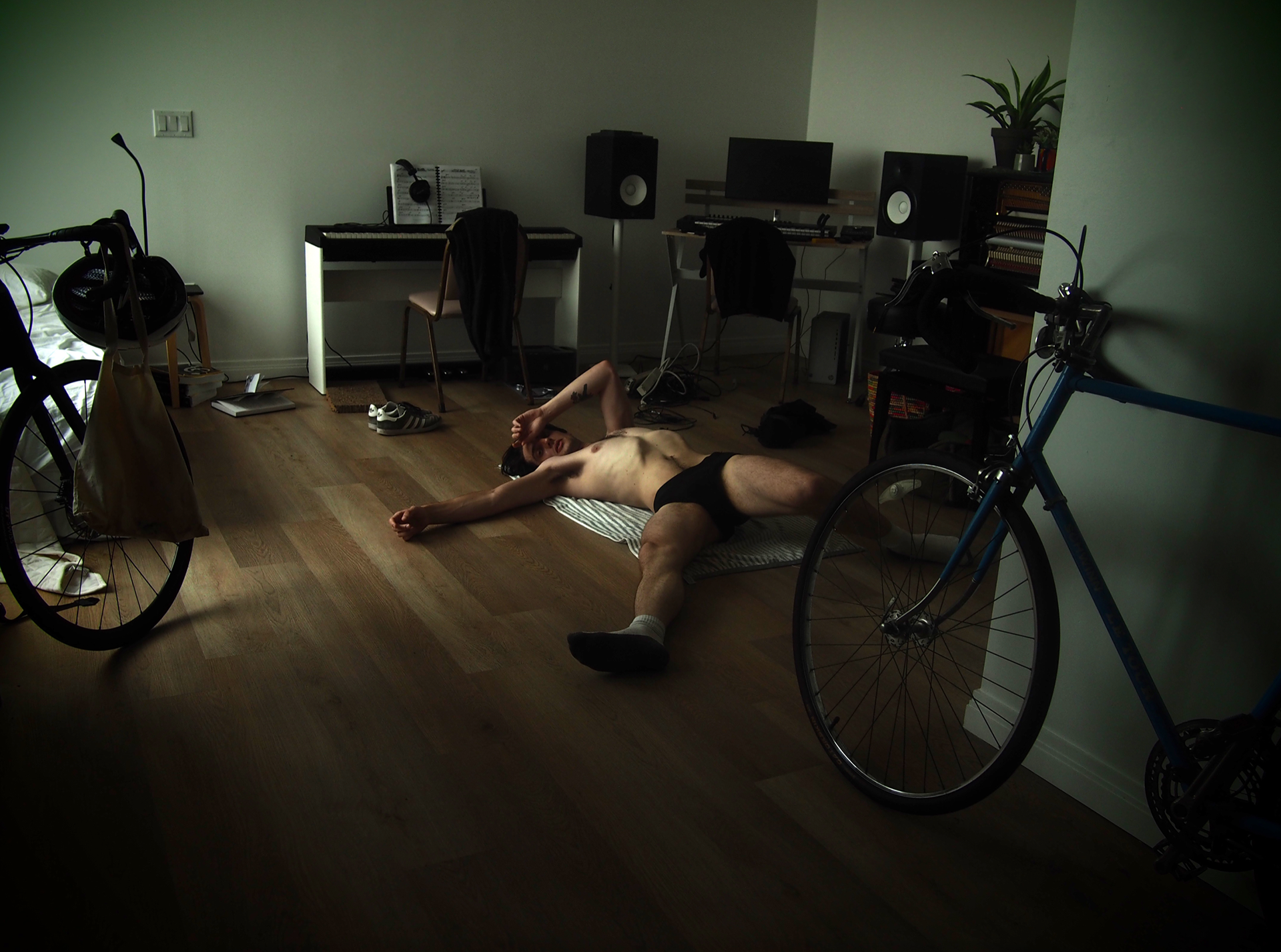
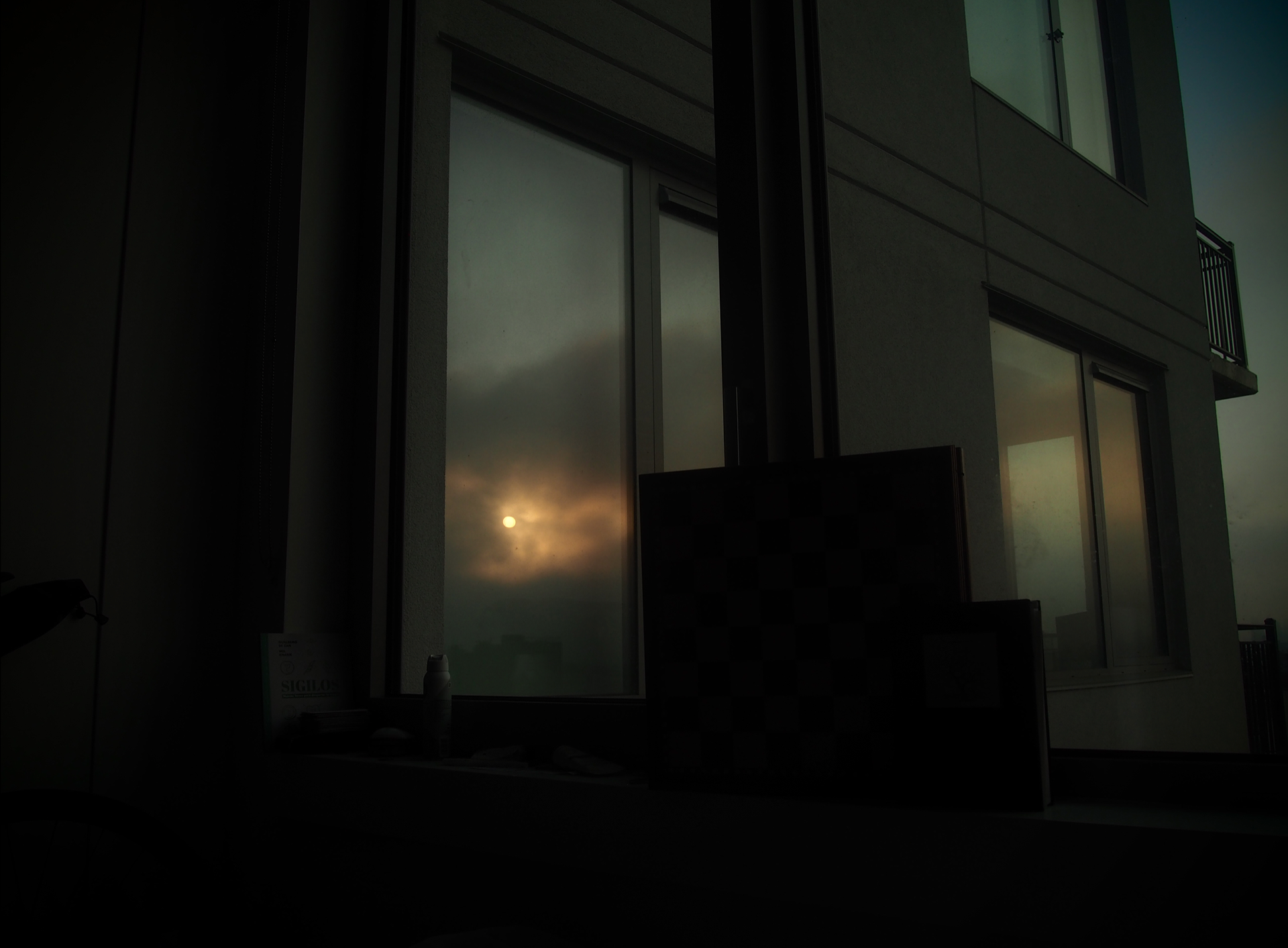
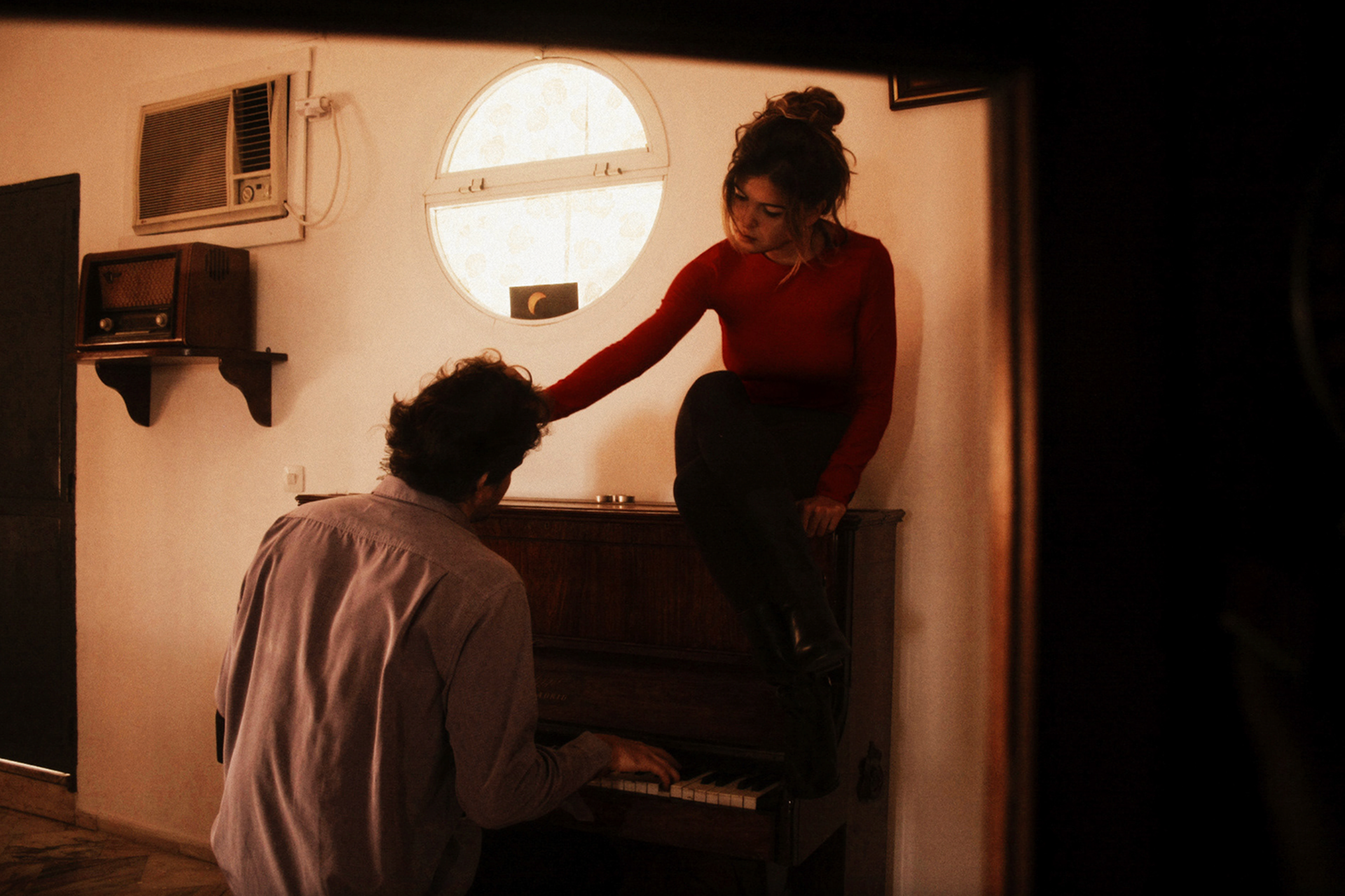
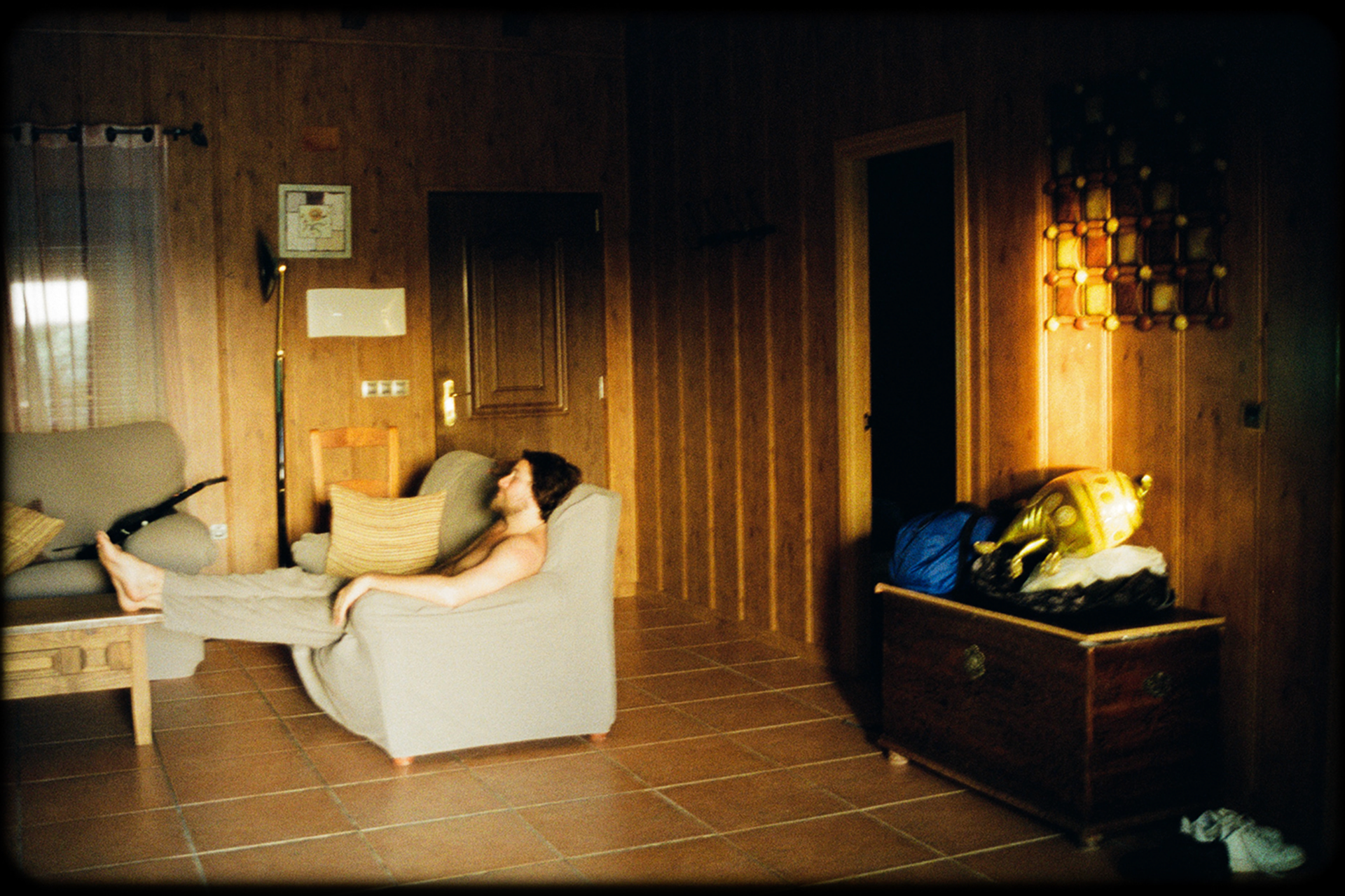
No Longer Home returns to questions of attachment and the search for stability across shifting personal and geographical landscapes.
Developed during a period of transition, it reflects on the tendency to locate a sense of home in others, and the instability that follows when that ground begins to shift. It traces recurring dynamics of closeness and distance, where intimacy and isolation exist simultaneously.
The work unfolds through photography, handwritten notes, and collage in a double-sided accordion structure. Its form allows for multiple readings, echoing the cyclical nature of these patterns.
It is organised into three interconnected sequences:
— emotional distance within proximity
— return to familiar places where memory and change collide
— the fragile space of beginning again
— emotional distance within proximity
— return to familiar places where memory and change collide
— the fragile space of beginning again
Across the work, home is no longer tied to place, but to relationships, memory, and projection. It is something constructed, displaced, and constantly reimagined.
When fully expanded, the book extends up to fifteen feet, shifting from object to installation. Its unfolding invites a physical navigation that mirrors the emotional movement within it.